Table of Contents
- No Comments
- 3 minutes read (473 words)
How Ankole partnered with Qtable to turn discarded cow horns into luxury corkscrews
Company Overview
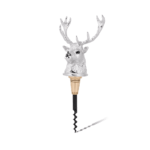
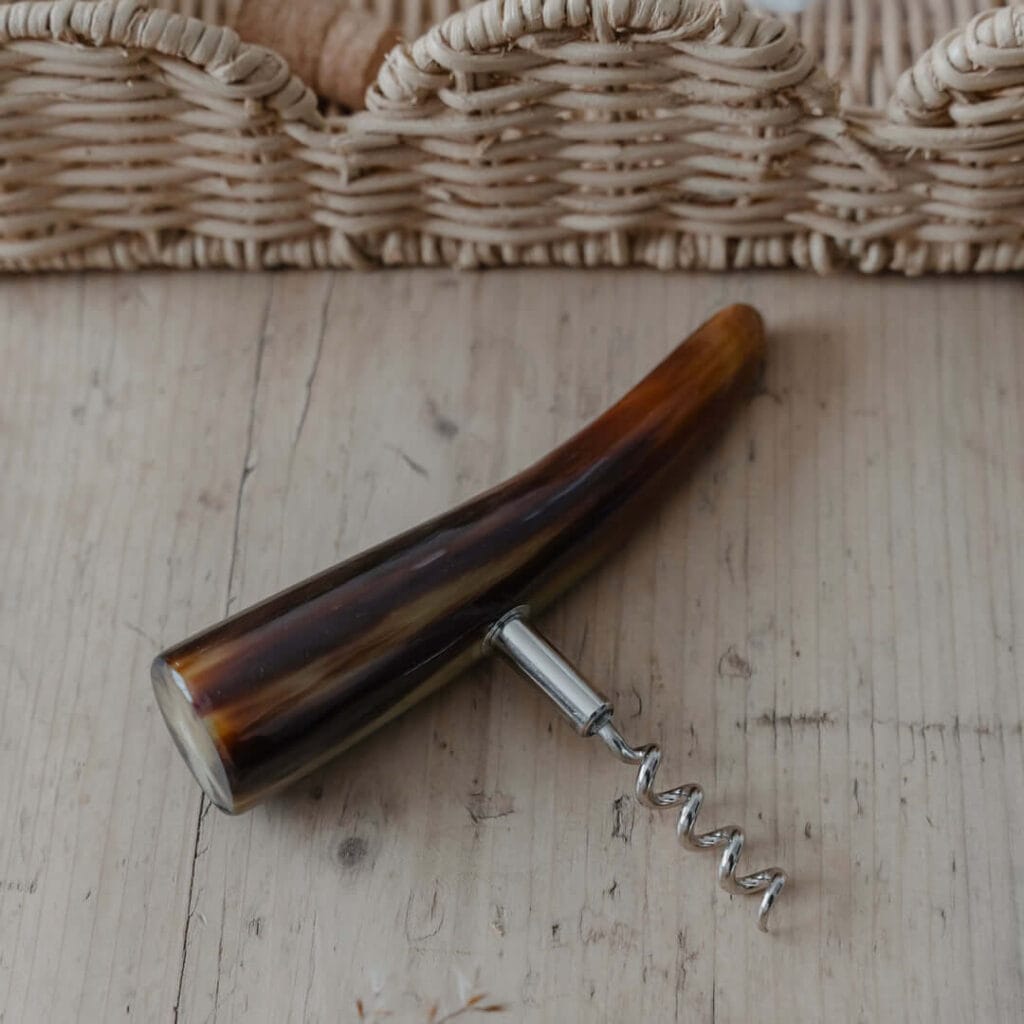
Ankole has pioneered an innovative approach to sustainable luxury by transforming Ankole cow horns – previously a waste product that was burned – into high-end gifts and accessories. Working with local family-run businesses in Kampala, Uganda, the company has created a sustainable supply chain that benefits both the environment and the local community.
The Challenge
In the past, Ankole cow horns were considered a waste product in Uganda, with most being burned or discarded. This represented both an environmental challenge and a missed economic opportunity for local communities. The challenge was to find a way to transform this waste material into valuable products while supporting local craftsmanship and creating sustainable employment opportunities.
The Solution
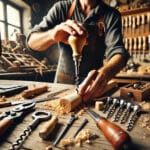
By partnering with Qtable and utilising their DIY Corkscrew Kit, Ankole developed the capability to create premium corkscrews that combine functionality with unique, sustainable materials. The partnership enabled Ankole to:
- Transform waste material into luxury products.
- Empower local family-run businesses in Kampala.
- Create a scalable production process.
- Develop unique products with strong market appeal.
Market Success
Ankole’s innovative approach has led to significant market recognition and success:
Retail Presence
- Secured distribution through John Lewis, one of the UK’s premier department store chains.
- Successfully positioned their products in the luxury gift market.
Media Recognition
- Featured in Tatler, demonstrating appeal to luxury lifestyle audiences.
- Coverage in The Sunday Times, validating the brand’s broader market appeal.
Impact
Environmental Impact
- Reduction in waste through repurposing of Ankole cow horns.
- Creation of a sustainable supply chain model.
- Demonstration of viable circular economy principles.
Social Impact
- Employment generation in Kampala through family-run businesses.
- Preservation and promotion of local craftsmanship.
- Economic empowerment of local communities.
Key Success Factors
- Innovative Material Use: Successfully transforming a waste product into a luxury material.
- Quality Production: Implementation of Qtable’s DIY Corkscrew Kit enables consistent, high-quality manufacturing.
- Market Positioning: Effective positioning as both a luxury and sustainable product.
- Distribution Strategy: Securing prestigious retail partnerships.
- Media Validation: Coverage in respected publications reinforcing brand positioning.
Conclusion
Ankole’s success demonstrates how combining sustainable practices with innovative production techniques can create compelling products that appeal to luxury markets while delivering positive social and environmental impact. The company’s ability to secure distribution through John Lewis and attract attention from prestigious media outlets validates their business model and suggests strong potential for future growth.
The partnership with Qtable, specifically through the implementation of the DIY Corkscrew Kit, has been instrumental in enabling Ankole to achieve consistent quality while maintaining their commitment to local production and sustainability.
Ankole
Premium Homeware, Gifts & Accessories
Observing the majestic Ankole cows graze and herd in Uganda, only to see their vibrant by-product being squandered, was so disheartening that it gave birth to Ankole, which works with local families to craft premium and unique products.