How to Maximise ROI with Branded Merchandise
Branding merchandise serves as a powerful marketing tool capable of substantially enhancing a business’s reach and customer loyalty when executed thoughtfully. To maximise return on investment (ROI) from branded products such as custom tote bags, logo-stamped bottles, or unique tech gadgets, a strategic approach is essential.
The first critical element is understanding the target audience. Selecting items that resonate with their interests, preferences, and values is crucial. For instance, tech enthusiasts may appreciate items such as USB drives or wireless chargers, while eco-conscious consumers might favour sustainable products like bamboo pens or reusable bags. Tailoring merchandise to meet your audience’s desires ensures that products are not only used but appreciated, leading to enhanced visibility and ROI.
Another vital factor is prioritising quality over quantity. While opting for cheaper options may seem cost-effective, low-quality products can tarnish a brand’s reputation. A well-made item reflects positively on the brand and is more likely to be retained and used by recipients. This example underscores the need for a thoughtful selection of items that are both durable and appealing.
In addition to quality, the practicality of merchandise plays a significant role in its effectiveness. Items that recipients find genuinely useful—such as notebooks, drinkware, or tote bags—are likely to be used regularly, thereby keeping the brand at the forefront of their minds. Every usage reinforces the brand message, delivering considerable marketing value.
Creativity also cannot be overlooked. Opting for unconventional and innovative products can help a brand stand out. For instance, a unique keyring or a distinctive notebook can make a more memorable impression than commonplace items. This creative approach not only attracts attention but can also lead to discussions around the brand, further enhancing its visibility.
Timing distribution strategically enhances the reach and effectiveness of branded merchandise. Aligning product giveaways with seasonal events or marketing campaigns can create a sense of urgency and relevance, boosting customer engagement. Moreover, focusing on the unboxing experience, by packaging merchandise attractively, creates excitement and anticipation, adding an additional layer to user interaction with the brand.
Finally, measuring the success of promotional product campaigns is essential to refining future strategies. Tracking metrics such as social media engagement, website traffic, and direct feedback from recipients offers valuable insights into what works and what doesn’t. This data-driven approach can inform adjustments, helping to maximise ROI over time.
Introduction to Printed Merchandise and ROI
The Importance of ROI in Marketing
In the highly competitive marketing landscape, understanding and maximising return on investment (ROI) is critical for businesses of all sizes. ROI serves as a key performance indicator that reflects the effectiveness of marketing expenditures. It not only measures the direct financial return but also provides insights into customer engagement, brand awareness, and the long-term value of marketing efforts. For managers and marketers, a strong ROI indicates that their strategies are yielding fruitful results, while low ROI may necessitate a re-evaluation of tactics and resources. Focusing on ROI allows brands to allocate budgets more intelligently, ensuring that every penny spent contributes to overarching business objectives.
How Printed Merchandise Can Enhance Brand Engagement
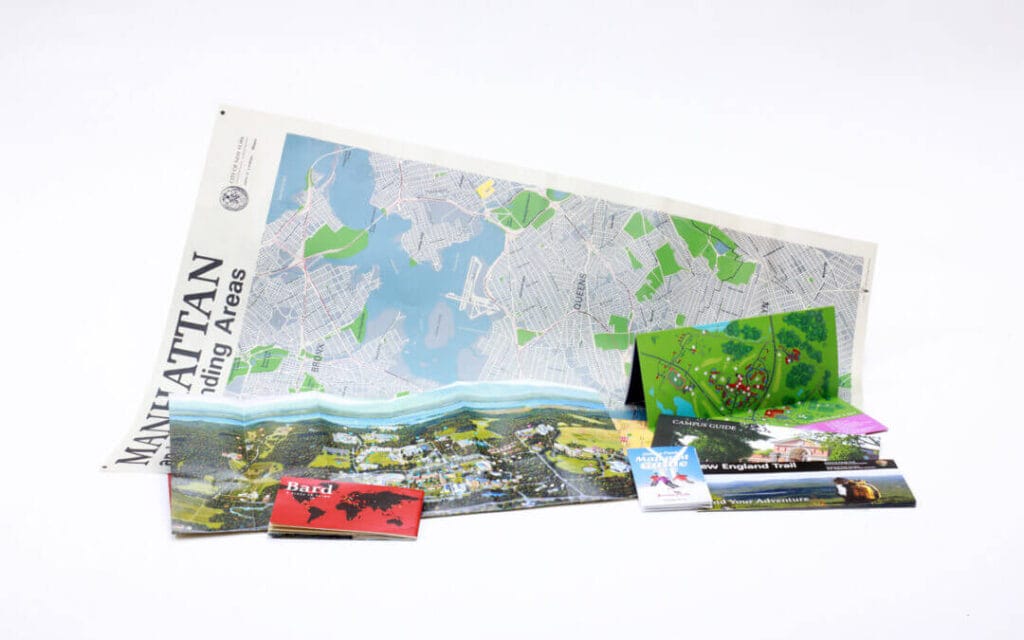
Printed merchandise serves as a tangible embodiment of a brand’s identity, thereby enhancing overall engagement with customers. Items such as brochures, branded bags, and business cards create a physical connection that digital marketing often lacks. Consumers are inherently drawn to tangible goods, making printed merchandise an excellent avenue for fostering brand recall and loyalty. When businesses invest in high-quality printed merchandise, they communicate professionalism and attention to detail, significantly enhancing customer perceptions.
Moreover, incorporating personalised elements into printed merchandise can dramatically increase its effectiveness. Utilising data to tailor messages or designs to specific target audiences makes the material not just more appealing but also significantly more relevant. For example, directly addressing recipients by name or aligning designs with their preferences contributes to a more impactful experience, encouraging consumers to engage more deeply with the brands that reach out to them.
Furthermore, consistency in branding across various merchandise pieces solidifies the brand’s image in the minds of consumers. High-quality visuals coupled with clear branding elements create a cohesive presence that reinforces messaging, thereby increasing the likelihood of customer retention. When customers encounter printed merchandise that resonates with their needs or wants, they are far more likely to retain the information, ultimately influencing their purchasing decisions.
In essence, printed merchandise is not merely an operational expense; it is a strategic investment that can yield long-term benefits. By focusing on quality, personalisation, and consistent branding, businesses can leverage printed materials to enhance engagement, nurture customer relationships, and drive increased ROI over time.
Understanding Your Target Audience
Identifying Key Demographics
To effectively maximise ROI through branded merchandise, it is imperative to identify and understand the target audience. This begins by analysing key demographics such as age, gender, income level, geographic location, and interests. By gathering this data, businesses can form a clearer picture of who their audience is and what motivates them to engage with their brand. Marketers often employ tools such as surveys and analytics platforms to gather insights, ensuring that their promotional products resonate with their intended recipients. Understanding these demographics allows brands to create tailored marketing strategies that align with the consumers’ preferences and buying behaviours, thereby enhancing the potential for favourable ROI.
Tailoring Products to Audience Preferences
Once the target demographics are established, the next step involves tailoring products to meet audience preferences. Personalised promotional items increase the likelihood of engagement and usage. For example, a brand targeting eco-conscious consumers might consider offering sustainable merchandise, such as biodegradable phone cases or reusable shopping bags. Similarly, a tech-savvy audience may appreciate high-quality tech accessories, like portable chargers or branded USB drives.
By selecting items that reflect the interests and values of their audience, brands foster a deeper connection with consumers. High-quality merchandise not only enhances brand image but also promotes consistent usage, leading to prolonged brand visibility. Ensuring that the promotional products are not just visually appealing but also functional contributes significantly to the overall effectiveness of the campaign. Additionally, brands can further enhance engagement by incorporating customised elements into their products, such as personalised inscriptions or colours that align with consumer preferences, solidifying the recipient’s connection to the brand.
Ultimately, the effective combination of understanding key demographics and tailoring products accordingly allows businesses to present themselves as relevant and valuable to their audience. This strategy is crucial for maximising the ROI associated with branded merchandise, ensuring that marketing investments yield long-term benefits while reinforcing brand loyalty within the target market.
Defining Clear Objectives for Your Campaign
Setting Measurable Goals
Establishing clear and measurable objectives is paramount for any branding strategy involving printed merchandise. Businesses must delineate specific goals to evaluate the success of their campaigns effectively. For instance, their objectives could range from increasing brand awareness to driving online engagement or strengthening customer loyalty. Each goal should be articulated in quantifiable metrics to facilitate assessment. By defining what success looks like—for example, a targeted percentage increase in website traffic or a specific number of new leads—businesses can tailor their merchandise selections and distribution methods accordingly. The focus on measurable outcomes allows organisations to track progress over time, ensuring they are directing their resources toward initiatives that yield tangible results.
Aligning Merchandise with Brand Messaging
The selected printed merchandise should closely align with the brand’s overall messaging and values. This alignment is crucial as it ensures that every piece of printed material contributes to the brand narrative. High-quality items, whether brochures, posters, or promotional products, should reflect the brand’s identity while driving home key messages. Personalisation plays a central role in this process; tailored merchandise that resonates with the audience fosters a deeper connection. For example, employing variable data printing allows businesses to customise items based on demographics or purchasing behaviours, thereby enhancing relevance.
Moreover, consistency in design and messaging reinforces brand recognition across various touchpoints, which is vital in today’s crowded marketplace. When businesses utilise printed merchandise to communicate clear, coherent messages that reflect their values, they position themselves as trustworthy and relatable to their customers. This thoughtful approach not only strengthens brand loyalty but also encourages ongoing engagement with the target audience. Ultimately, the combination of clear, measurable objectives and alignment with brand messaging forms the foundation of an effective campaign strategy centred around printed merchandise.
Choosing the Right Merchandise
Optimising Product Selection
When it comes to maximising ROI with branded merchandise, optimising product selection is essential. Businesses must comprehend their target audience’s preferences and needs to choose items that resonate well with them. A thorough understanding of the demographic allows for strategic decision-making regarding the types of products offered. Some audiences may value tech gadgets, while others might appreciate eco-friendly options. By ensuring the selected merchandise appeals to the audience’s interests, companies increase the likelihood of items being used frequently, thereby enhancing brand visibility and engagement.
Incorporating customisation can further differentiate products. Personalised items, such as water bottles or notebooks featuring the recipient’s name or company logo, bolster brand connection and encourage consistent usage. Furthermore, unique offerings can set a brand apart from competitors, making it memorable in the minds of consumers. Employing research and analytics to inform product choices results in a more effective merchandise strategy, directly contributing to an increased return on investment.
Quality vs. Quantity: Making Smart Choices
The temptation to opt for quantity over quality is prevalent in promotional campaigns, especially when budgeting constraints are a factor. However, choosing high-quality merchandise consistently yields better results in the long run. Products that are durable and practical not only reflect positively on a brand but also lead to increased usage among recipients, creating sustained engagement. A well-made product enhances the perception of a brand’s commitment to quality, instilling trust and fostering loyalty.
Moreover, items that recipients deem useful are less likely to end up discarded. For instance, while a low-cost pen might seem an appealing choice, if it fails to perform adequately, it could tarnish the brand’s image. Investing in quality merchandise—such as sustainable bags, stylish drinkware, or premium stationery—ensures that products are well-received and utilised regularly, providing ongoing exposure and reinforcing brand messaging.
By balancing quality and quantity, brands can create promotional campaigns that not only attract attention but also encourage loyal consumer relationships. Ultimately, this strategic approach to merchandise selection can significantly enhance ROI and ensure that marketing dollars are being well spent.
Creating Eye-Catching Designs
The Role of Vibrant and Colourful Design
The effectiveness of any printed merchandise campaign greatly hinges on the visual appeal of the designs used. Vibrant and colourful designs not only attract the attention of potential customers but also create a lasting impression, making it essential for brands to invest time and resources in creating captivating visuals. Studies have shown that colours can evoke specific emotions and reactions; therefore, selecting the right colour palette can significantly influence how a brand is perceived. For instance, using warm colours like red and yellow can create feelings of warmth and cheer, while cooler tones such as blue may convey trustworthiness and stability. This understanding of colour psychology is crucial for businesses aiming to differentiate themselves in a saturated market.
Furthermore, the overall aesthetics of the design, including layout and imagery, should be optimised for clarity and readability. Overly busy designs can overwhelm potential customers, detracting from the intended message. Instead, a clean and organised layout that utilises white space effectively allows for easy navigation and engagement with the material, encouraging recipients to take the desired action, whether that be visiting a website or making a purchase.
Incorporating Branding Elements Effectively
Incorporating branding elements such as logos, taglines, and corporate colours into printed materials is vital for consistent brand identity. A well-placed logo not only reinforces brand recognition but also serves as a constant reminder of the brand’s presence in the minds of the audience. The size, placement, and visibility of these elements should be carefully considered to ensure they complement rather than distract from the overall design.
Moreover, aligning the design with the brand’s values and messaging enhances coherence across all marketing channels. For example, a company that prioritises sustainability should reflect this in its design by using eco-friendly materials and visually incorporating natural imagery or colours that resonate with their environmental commitment. This connection not only helps in establishing a meaningful narrative but also fosters a sense of loyalty among consumers who share similar values.
Additionally, integrating interactive elements such as QR codes can further engage the audience and offer a seamless transition from print to digital platforms. By directing recipients to online content, brands not only extend their reach but also provide valuable information that can enhance the consumer experience. Ultimately, the thoughtful incorporation of branding elements and adherence to visual appeal will maximise the effectiveness of printed merchandise, driving increased engagement and long-term brand loyalty.
Gathering and Analysing Customer Feedback
Importance of Feedback in Refining Products
Collecting customer feedback is essential for businesses that seek to enhance their products and services continually. Feedback provides invaluable insights into consumer preferences, concerns, and experiences, which can directly inform improvements and innovation. By actively listening to their customers, brands can identify specific areas for enhancement and address potential shortcomings in their offerings. Moreover, feedback can help businesses understand how well their branded merchandise aligns with customer expectations, ensuring that the products remain relevant and desirable in an ever-changing market landscape. This responsiveness not only bolsters customer satisfaction but also reinforces brand loyalty, as clients appreciate companies that value their opinions and make adjustments accordingly.
In the context of print marketing, feedback can guide companies in tailoring their promotional materials to better resonate with their target audience. For instance, if customers express a preference for certain design elements or types of products, brands can pivot their strategies to focus on these insights. This approach allows businesses to refine their merchandise and marketing efforts, ultimately leading to a greater return on investment (ROI) as they cater to what consumers genuinely want.
Techniques for Effective Data Collection
To gather meaningful feedback, businesses should employ a variety of techniques to ensure they capture a comprehensive view of customer sentiments. One effective method is to conduct surveys, which can be disseminated through various channels such as email, social media, or directly in-store. Surveys allow consumers to share their thoughts on specific aspects of products, including design, functionality, and overall satisfaction. Brands should consider using multiple-choice questions alongside open-ended ones to obtain both quantitative and qualitative data.
Focus groups can also serve as a valuable tool for gaining in-depth insights. By engaging small groups of target customers in discussions about their experiences and perceptions, companies can uncover nuanced understandings that surveys might not reveal. This qualitative research approach fosters a dialogue that enables participants to express their ideas freely, yielding richer feedback.
Additionally, leveraging online platforms for reviews and testimonials is essential in today’s digital age. Encouraging customers to share their experiences on social media or review sites can amplify brand visibility and provide a plethora of insights. Monitoring these platforms regularly enables brands to adapt their strategies swiftly based on customer reactions and trends. Utilising these techniques will empower businesses to effectively gather and analyse customer feedback, ensuring that their merchandise remains competitive and relevant.
Engaging Customers Through Marketing
Leveraging Social Media for Brand Awareness
In today’s digital landscape, social media plays a vital role in enhancing brand awareness and engagement. By utilising platforms like Instagram, Facebook, and Twitter, businesses can create visually appealing content that showcases their branded merchandise. High-quality images and engaging videos of products in use can capture the audience’s attention and invoke curiosity. Through consistent posting and interaction with followers, brands can build a community that fosters loyalty and trust. Additionally, brands can employ targeted advertising to reach specific demographics, ensuring that promotional efforts resonate with potential customers. This digital engagement not only strengthens brand perception but also drives traffic to both online and physical shopfronts.
Strategies for Generating Buzz Around Merch
Generating excitement around branded merchandise can significantly boost engagement and sales. One effective strategy is to create exclusivity through limited-edition items. By promoting products available for a short time or in limited quantities, companies encourage quick decision-making among potential buyers due to the fear of missing out (FOMO). Hosting events, either in-person or virtual, where customers can interact with products first-hand can further enhance interest and excitement. Additionally, incorporating promotional campaigns such as giveaways, contests, or influencer partnerships can amplify reach. By encouraging participants to share their experiences with the merchandise on social media, brands can tap into their audiences’ networks, resulting in organic buzz and increased visibility. This multi-faceted approach not only engages existing customers but also attracts new prospects, ultimately driving sales and enhancing brand loyalty.
Measuring Success and Future Campaigns
Analysing Campaign Effectiveness
To assess the success of a branded merchandise campaign, businesses should focus on several critical metrics. These include direct sales figures, website traffic, social media engagement, and customer feedback. By employing tracking tools, organisations can analyse how recipients interact with promotional products. This may involve monitoring social media mentions and using specific hashtags related to the campaign. Surveys can also be utilised to gauge customer perceptions, allowing businesses to evaluate the quality, utility, and overall impact of their branded items. This empirical data not only illuminates the strengths and weaknesses of the current campaign but also informs strategy adjustments for future initiatives.
Another effective method involves calculating the return on investment (ROI) associated with each merchandise effort. This process entails comparing revenue generated from the campaign with the total costs of production and distribution. The ROI formula, expressed as a percentage, provides a quantifiable measure of the financial effectiveness of the campaign, helping brands justify their marketing expenditures and making informed decisions moving forward.
Maximising ROI for Future Printed Merchandise Efforts
To maximise the return on investment for future branded merchandise initiatives, companies can implement several best practices. First and foremost, refining the product selection process is key. Businesses should choose items that align closely with their brand image and resonate with the target audience. This approach not only enhances brand recall but also increases the likelihood that recipients will use the products regularly, thus amplifying visibility.
Additionally, leveraging technology to integrate branded merchandise with digital marketing efforts can further enhance engagement and tracking. Incorporating QR codes or personalised URLs on print materials directs consumers to additional online content, facilitating a seamless transition between physical and digital engagement. This strategy can help businesses gain a deeper understanding of customer interactions and preferences, ultimately informing future campaigns.
Moreover, conducting thorough audience research is vital. Understanding the preferences, needs, and behaviours of the target demographic will enable brands to craft more relevant and effective merchandise results. This targeted approach increases the likelihood of customer engagement and satisfaction, thus improving the effectiveness of marketing campaigns.
Moreover, brands should consider collaborations with influencers or other prominent figures relevant to their target audience. Such partnerships can expand reach and create a buzz around new merchandise launches. Running promotional events or contests that encourage user-generated content can also foster a sense of community and increase product visibility across various platforms.